For years, Polycystic Ovary Syndrome (PCOS) has been one of the most commonly diagnosed hormonal disorders among women of reproductive age. However, advances in medical research have prompted experts worldwide to reconsider whether its name truly reflects the complexity of the condition.
A growing number of specialists and international medical organizations are now advocating for the term Polyendocrine Metabolic Ovarian Syndrome (PMOS). The proposed name highlights that the disorder extends beyond the ovaries and involves multiple hormonal and metabolic systems throughout the body.
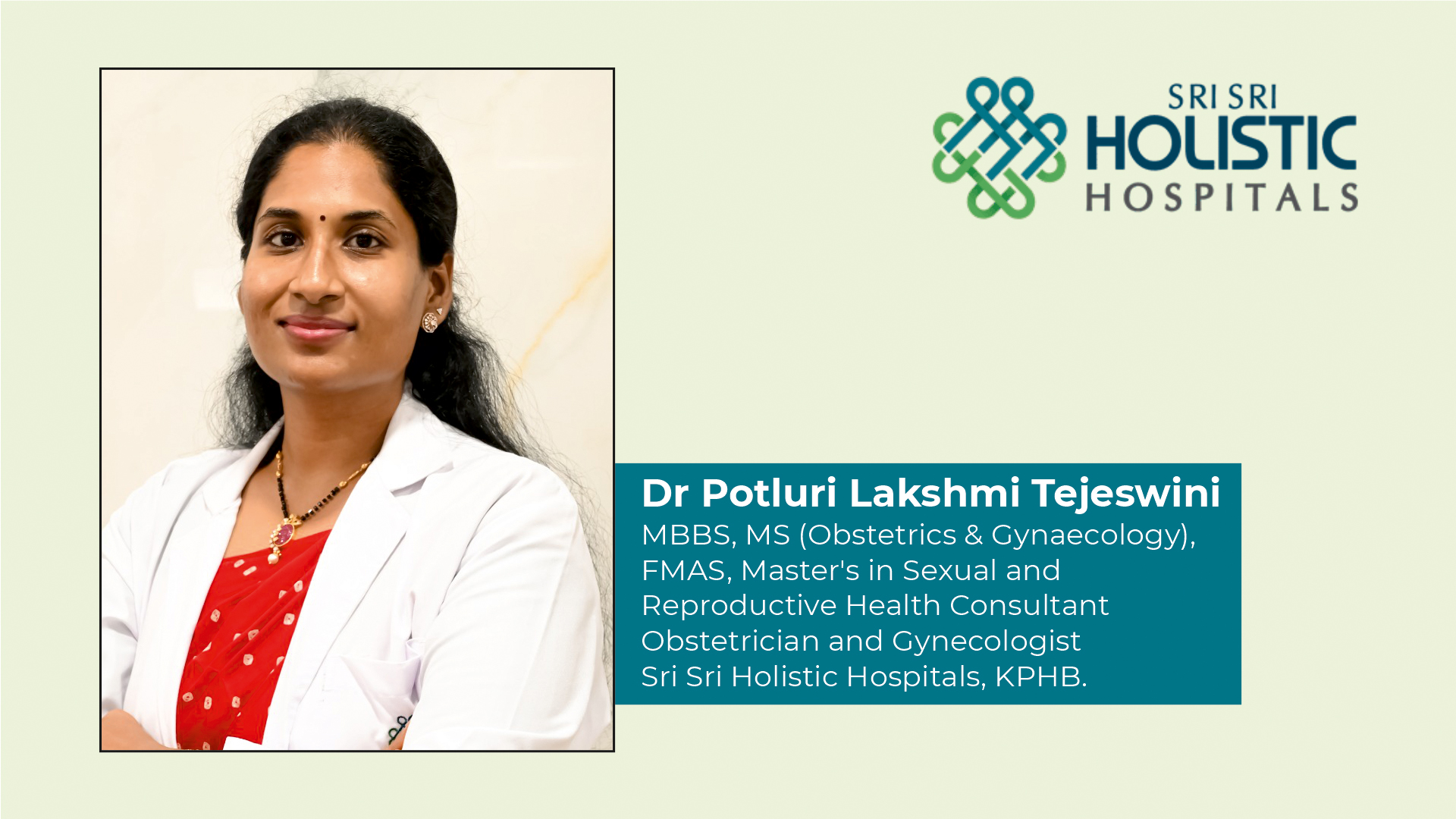
According to Dr. Lakshmi Tejeswini, Consultant Obstetrician and Gynecologist at Sri Sri Holistic Hospitals, KPHB Road No. 1, the revised terminology represents a significant shift in how healthcare professionals understand and manage the condition.
“Many women believe PCOS is purely a reproductive disorder because of its name. In reality, it is a multifaceted condition that affects hormonal balance, metabolism, fertility, and long-term health,” says Dr. Tejeswini.
More Than an Ovarian Disorder
The traditional name, Polycystic Ovary Syndrome, often creates confusion. Not all women diagnosed with the condition have ovarian cysts, and many of the associated health challenges arise from factors unrelated to the ovaries.
Research has shown that insulin resistance and metabolic dysfunction play a central role in the development of many symptoms. As a result, experts believe the existing terminology does not adequately capture the full scope of the disorder.
The proposed name PMOS acknowledges that the condition involves multiple endocrine systems, metabolic abnormalities, and ovarian changes, providing a more accurate representation of its underlying mechanisms.
A Growing Health Challenge
The prevalence of PMOS (formerly known as PCOS) has increased steadily worldwide, particularly in developing countries such as India.
Studies suggest that nearly one in five women may experience symptoms associated with the condition.
Sedentary lifestyles, unhealthy dietary habits, increasing stress levels, obesity, and genetic factors have all contributed to its rising prevalence.
Given India’s growing burden of diabetes and cardiovascular disease, experts emphasize that addressing the metabolic aspects of PMOS is now more important than ever.
Recognizing the Warning Signs
PMOS can present differently in each individual, making diagnosis challenging in some cases.
Common symptoms include irregular menstrual cycles, difficulty conceiving, excessive facial or body hair growth, acne, unexplained weight gain, hair thinning, and persistent fatigue.
Some women may also notice darkened skin around the neck or underarms, a condition known as acanthosis nigricans, which is often associated with insulin resistance.
Importantly, the absence of severe symptoms does not necessarily rule out the condition. Many women may have underlying metabolic disturbances despite experiencing relatively regular menstrual cycles.
Looking Beyond Fertility
One of the biggest misconceptions surrounding PCOS is that it is solely a fertility disorder. While reproductive health is certainly affected, the condition has implications that extend far beyond the childbearing years.
Women with PMOS may have an increased risk of developing type 2 diabetes, hypertension, dyslipidemia (abnormal cholesterol levels), non-alcoholic fatty liver disease (NAFLD), cardiovascular disease, and mental health conditions such as anxiety and depression.
Recognizing these risks early allows for timely intervention and significantly improves long-term health outcomes.
Prevention and Management
Although PMOS is a lifelong condition, its symptoms can be effectively managed through a combination of lifestyle modifications and appropriate medical care.
Regular physical activity, a balanced diet, maintaining a healthy weight, adequate sleep, and stress management remain the foundation of treatment. Depending on individual needs, medications may also be prescribed to regulate menstrual cycles, improve insulin sensitivity, or support fertility.
Healthcare professionals emphasize that early diagnosis remains the most effective strategy for preventing long-term complications.
A Shift Towards Holistic Women’s Healthcare
The transition from PCOS to PMOS represents more than a change in terminology. It reflects an evolving understanding of women’s health and recognizes the interconnected nature of the hormonal, metabolic, and reproductive systems.
“The proposed name PMOS encourages both doctors and patients to adopt a more comprehensive approach to care. By addressing the condition early and looking beyond reproductive symptoms alone, we can improve overall health and quality of life for millions of women,” says Dr. Lakshmi Tejeswini.
As medical knowledge continues to evolve, one message remains clear: awareness, early diagnosis, and a holistic treatment approach are essential to helping women lead healthier and more empowered lives.
Dr. Lakshmi Tejeswini
Consultant Obstetrician & Gynecologist
Sri Sri Holistic Hospitals, KPHB Road No. 1